Breaking News



Popular News



Enter your email address below and subscribe to our newsletter
Gaming News
 Byaend
It is February 2026, and if you’re still rocking a rig from the “Great GPU Shortage” era of 2021, the current hardware landscape probably looks like science fiction.
We’ve officially moved past the point where we measure progress just by “more transistors.” Today, the conversation is about neural rendering, tandem pixels, and localized AI. Whether you’re a frame-rate chaser or an immersion junkie, here is the definitive breakdown of the hardware shaping the gaming world right now.
The big story of early 2026 is the rollout of NVIDIA’s Blackwell (RTX 50-series). The flagship RTX 5090 has officially landed with a staggering 32GB of GDDR7 VRAM and a price tag that—at $1,999—has sparked a million “do I really need both kidneys?” memes.
But it’s not just about the raw power. The real magic is DLSS 4.5. We’ve moved beyond simple frame generation into “Multi-Frame Reconstruction.” By using a new transformer-based AI model, the 50-series can effectively generate five out of every six frames you see, allowing mid-range cards to push 4K at 240Hz in path-traced titles like Cyberpunk 2.
For years, we had to choose: the perfect blacks of OLED or the searing brightness of Mini-LED. In 2026, Tandem OLED (and Samsung’s new Penta Tandem QD-OLED) has ended that war.
By stacking multiple light-emitting layers, these new monitors—like the latest MSI 5th-Gen QD-OLEDs—are hitting 1,500+ nits of peak brightness while remaining virtually immune to burn-in.
It’s a bit of a “good news, bad news” situation for processors.
| Component | The “Budget King” | The “Endgame” Rig |
| GPU | RTX 5060 (8GB GDDR7) | RTX 5090 (32GB GDDR7) |
| CPU | Ryzen 7 9800X3D | Core Ultra 9 “Nova Lake” (Limited) |
| RAM | 32GB DDR5-6400 | 64GB DDR6-12000 |
| Storage | 2TB Gen4 NVMe | 8TB Gen5 (DirectStorage 2.0) |
| Monitor | 27″ 180Hz IPS | 34″ Curved Tandem QD-OLED |
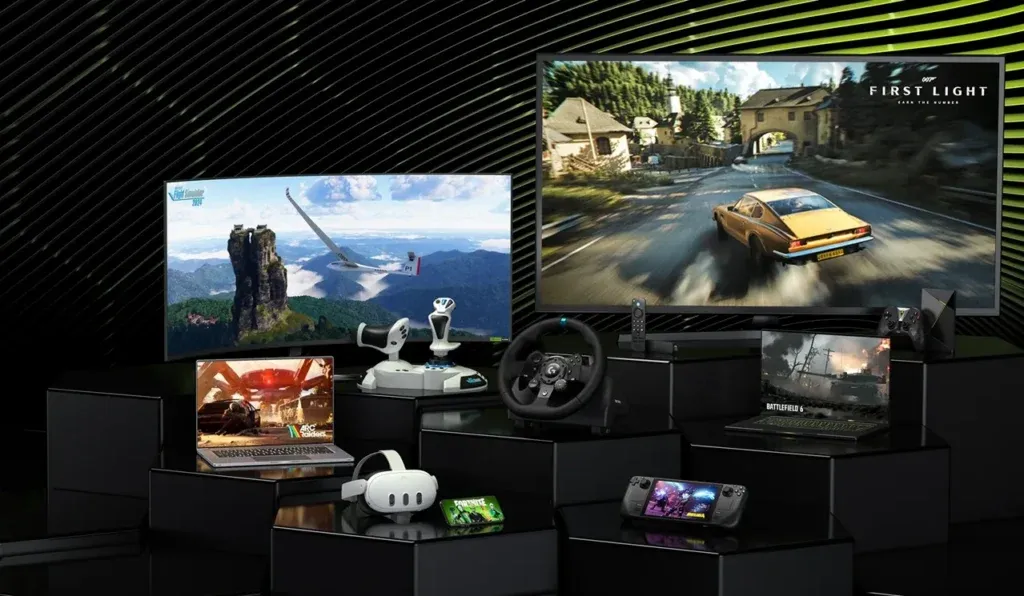
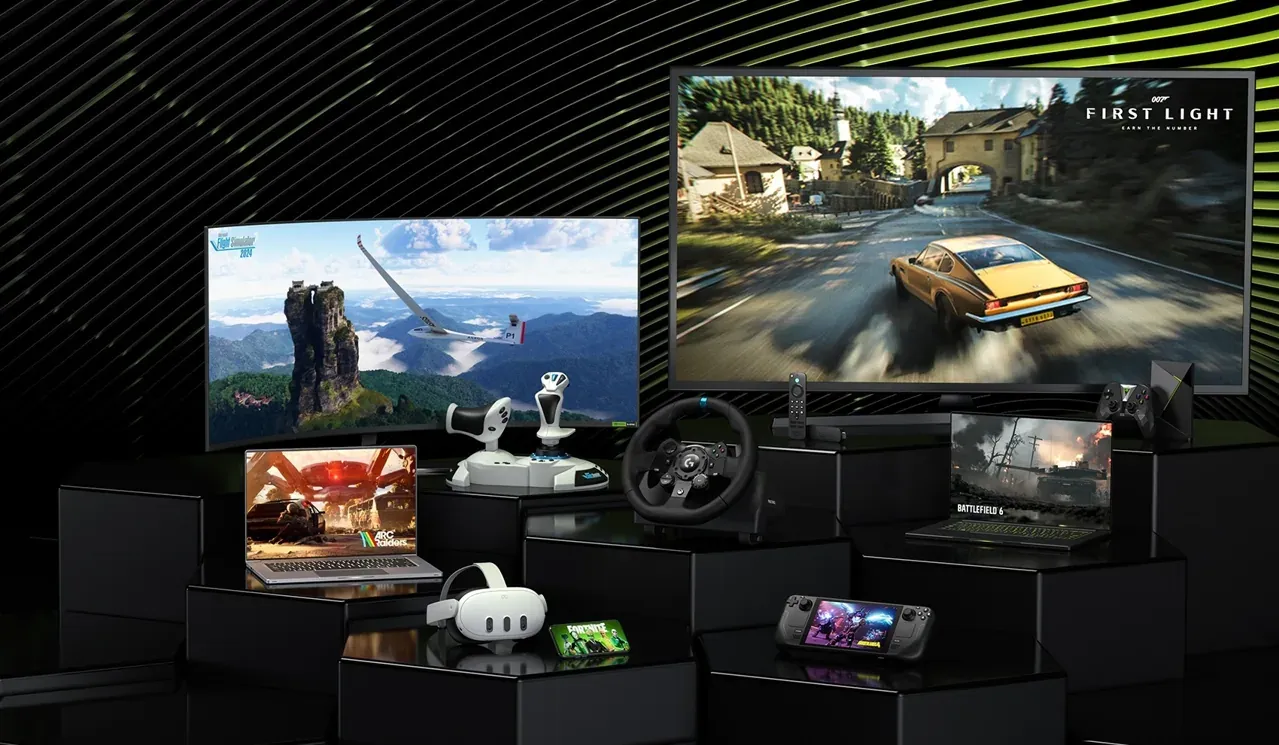
Portable gaming has reached its final form. Devices like the Lenovo Legion Go S (running a native SteamOS fork) and the ROG Ally X2 have effectively replaced the budget desktop.
With the new AMD Z2 Extreme chips, these handhelds can now deliver 1080p/60FPS in AAA games without breaking a sweat. In fact, many gamers are ditching traditional towers entirely, opting for a high-powered handheld and a Thunderbolt 5 eGPU dock for when they want to play on the big screen.
The most subtle change in 2026 is that your PC is finally “smart.” Whether it’s AI-enhanced thermal management that predicts heat spikes before they happen or local LLMs that let you talk to your NPCs via mic in real-time, the hardware is no longer a “dumb” pipe for data. Your motherboard and GPU are now active participants in the gameplay experience.
The Verdict: 2026 is the year of the “Specialist Build.” Whether you’re building a tiny 4K handheld or a liquid-cooled Blackwell monster, the tech has never been more powerful—or more expensive.
